
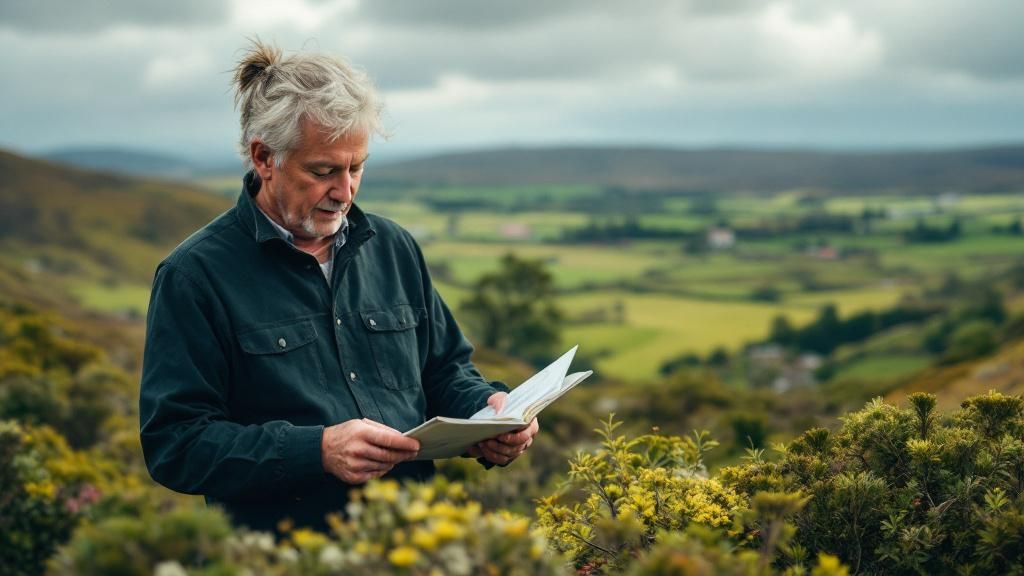
As worldwide integration threatens linguistic diversity across the British Isles, heritage language programmes have emerged as essential support systems for Scots Gaelic language and Welsh language in Wales variants. These efforts, integrating structured teaching with grassroots involvement, are reversing prolonged language loss and reviving community identity amongst the next generation. This article examines how committed teachers and engaged local groups are preserving these traditional Celtic languages, examining successful programme models, their measurable impact on numbers of speakers, and the larger consequences for preserving Britain’s linguistic heritage.
The Value of Gaelic and Welsh Conservation
The Celtic tongues of Scotland and Wales constitute invaluable storehouses of cultural heritage, historical knowledge, and linguistic variety. These historic languages contain centuries of custom, mythology, and unique perspectives that cannot be adequately translated into English. Without concerted preservation efforts, the disappearance of Gaelic and Welsh would diminish not only Scotland and Wales but the entire cultural landscape of the British Isles. Heritage language initiatives thus function as essential guardians of this invaluable linguistic legacy.
Beyond cultural significance, preserving Celtic dialects offers significant cognitive and social benefits to speakers and communities alike. Research shows that bilingualism enhances cognitive flexibility, problem-solving abilities, and academic performance amongst young learners. Furthermore, these languages reinforce community connections and foster a sense of belonging amongst speakers. By investing in heritage language programmes, Scotland and Wales are not merely maintaining historical records; they are cultivating vibrant, living languages that enrich the lives of contemporary speakers and generations to come.
Existing Heritage Language Programmes in Scotland
Scotland’s approach to Gaelic protection has developed considerably over the past few decades, with several cultural language projects now functioning across the country. The Gaelic Medium Education (GME) initiative stands as a cornerstone of these initiatives, offering immersive instruction through the use of Gaelic from primary through secondary education. Complementing formal schooling, local community groups such as Sabhal Mòr Ostaig and local Gaelic societies offer educational opportunities for mature learners and cultural activities that strengthen language skills and encourage passing down between generations of the language.
Beyond conventional educational settings, online channels and multimedia projects have revolutionised accessibility to Gaelic learning resources. BBC Alba, Scotland’s Gaelic-language television channel, airs learning material combined with entertainment, whilst web-based courses and smartphone apps allow learners to learn at their own pace. These diverse initiatives together showcase Scotland’s commitment to reversing Gaelic’s long-term decline, establishing opportunities for speakers of all ages to engage with their heritage language and take part in Scotland’s thriving Gaelic-speaking community.
Welsh Language Revitalisation Programmes
Wales has established comprehensive language revitalisation programmes that have substantially boosted Welsh speaker numbers in recent decades. The Welsh Government’s dedication to educational programmes, including mandatory Welsh immersion schooling and bilingual educational frameworks, has developed a generation of skilled language users. These programmes prioritise early childhood immersion, understanding that foundational linguistic development during formative years yields the most lasting outcomes for ongoing speaker preservation and cultural preservation.
Grassroots programmes work alongside formal educational frameworks, promoting natural language practice in contexts beyond the classroom. Welsh language centres, heritage celebrations, and online spaces provide accessible opportunities for speakers of all ages to use and take pride in their heritage. These local movements have developed vibrant Welsh-speaking communities, especially in cities where the language had experienced decline. The interaction of formal backing and grassroots passion illustrates how diverse strategies successfully counteract language decline and strengthen intergenerational transmission of this historic Celtic language.
Obstacles and Upcoming Opportunities
Despite significant progress, heritage language programmes face major obstacles that threaten their long-term sustainability. Budget pressures persist as a ongoing challenge, with many initiatives reliant on government grants and philanthropic contributions that shift annually. Additionally, competition from widely-spoken languages and online platforms in English creates significant obstacles to engagement. Teachers qualified in Celtic dialects stay in scarce provision, and curriculum integration across conventional schooling remains inconsistent. These systemic barriers require continuous political backing and considerable resources to address effectively.
Looking ahead, the future of Gaelic and Welsh preservation hinges upon forward-thinking strategies and community-led initiatives. New digital tools, such as immersive digital platforms and digital interaction, offer promising opportunities to engage young people. Growth in early learning services and enhancing higher education Celtic language courses will build a sustainable pipeline of speakers and educators. Ultimately, integrating these languages within everyday community life—through workplace initiatives, community celebrations, and home-based learning—remains essential for securing these important cultural languages endure for future generations.
